



Palm Sunday at 9 a.m. Sunday, March 21, 2027
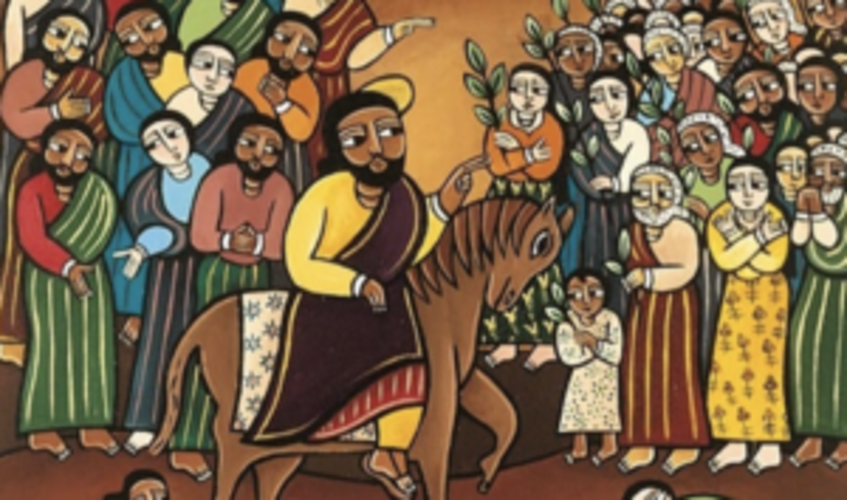
Palm Sunday in an Episcopal church marks the beginning of Holy Week, the most sacred period in the Christian liturgical calendar. It commemorates Jesus’ triumphant entry into Jerusalem, an event described in all four Gospels, where crowds welcomed him by waving palm branches and shouting “Hosanna,” a cry of praise and salvation. This day is distinctive not only for its celebratory tone at the beginning of the service but also for its solemn conclusion, reflecting the dramatic shift from joy to the impending sorrow of Christ’s Passion.
In an Episcopal context, Palm Sunday is rich with symbolism, ritual, and participation. The liturgy often begins outside the church or in the narthex, where congregants gather to receive palm branches. A priest blesses the palms, recalling their significance as symbols of victory and peace. The congregation then processes into the church, waving palms and singing hymns such as “All Glory, Laud, and Honor.” This reenactment invites worshippers to step into the story, not as distant observers but as active participants in the biblical narrative.
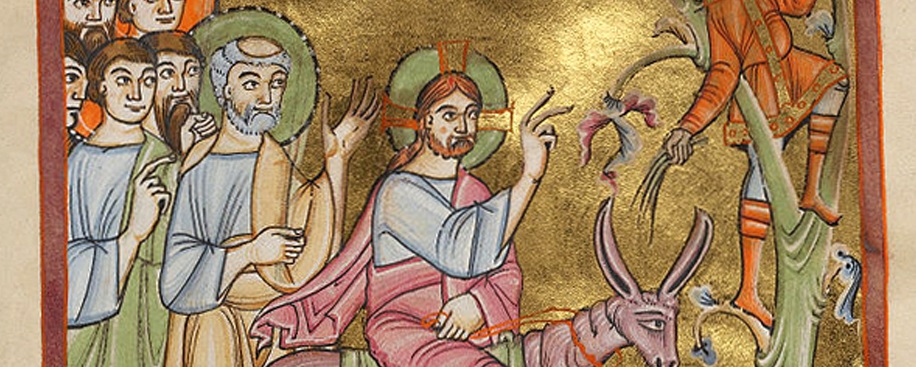
The atmosphere changes noticeably once the procession concludes. The liturgy transitions into the reading of the Passion Gospel, which recounts the suffering and crucifixion of Jesus. In many Episcopal churches, this reading is done dramatically, with different voices assigned to various parts, including the congregation, which often takes on the role of the crowd. This communal reading underscores a profound theological truth: humanity’s shared responsibility in the events leading to the crucifixion.
Palm Sunday embodies a paradox central to Christian faith. The same crowd that praises Jesus as a king later calls for his crucifixion. This tension is not merely historical but deeply personal and spiritual. Episcopalians are invited to reflect on their own lives, considering moments of faithfulness alongside times of denial or indifference. The liturgy does not allow worshippers to remain in the comfort of celebration; instead, it gently but firmly leads them toward the reality of sacrifice and redemption.
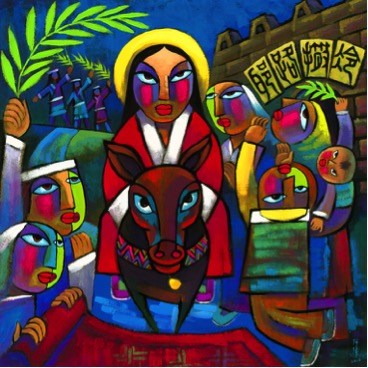 The use of palms themselves carries layered meaning. Historically, palm branches were associated with triumph and victory in the ancient world. In the church, they symbolize Christ’s victory over sin and death, though that victory comes through humility and suffering rather than worldly power. Many congregants take their blessed palms home, sometimes weaving them into crosses as a reminder of the journey from Palm Sunday to Good Friday.
Music also plays a significant role in shaping the emotional arc of the service. Joyful hymns accompany the procession, while more somber music underscores the Passion narrative. This contrast reinforces the liturgical movement from celebration to contemplation, preparing the faithful for the events of the coming week.
Ultimately, Palm Sunday in an Episcopal church is not just a remembrance but an invitation. It calls believers to walk alongside Christ through the final days of his earthly life, to grapple with the complexities of faith, and to prepare their hearts for the hope of Easter. Through its blend of pageantry and poignancy, the service captures the essence of Holy Week: a journey from triumph to tragedy, and ultimately, to redemption.
 |
|  |
|  Share
Share

