



Easter Sunday at 9 a.m. March 28, 2027
 Easter Sunday in an Episcopal church is the most joyful and celebratory day of the Christian year, marking the Resurrection of Jesus Christ and the triumph of life over death. After the solemn journey through Lent and the intensity of Holy Week, the liturgy on Easter morning is filled with light, music, and a profound sense of renewal. It is not simply a remembrance of a past event, but a living proclamation that shapes the faith and hope of the gathered community.
The transformation of the worship space is immediately striking. The altar, stripped bare on Maundy Thursday, is now adorned with white linens, candles, and an abundance of flowers—often lilies, symbolizing purity and resurrection. The change in color to white and gold reflects joy and victory, and the church itself feels alive again. This visual renewal mirrors the theological message of Easter: that new life emerges even from the depths of loss and despair.
The liturgy begins with a bold and triumphant acclamation: “Alleluia. Christ is risen.” The congregation responds, “The Lord is risen indeed. Alleluia.” This exchange, absent throughout Lent, returns with emphasis and joy. Music plays a central role in expressing this celebration. Hymns such as “Jesus Christ Is Risen Today” and “The Day of Resurrection” are sung with energy, often accompanied by organ, choir, and sometimes brass instruments. The return of the Gloria, which was omitted during Lent, adds to the sense of restored fullness in worship.

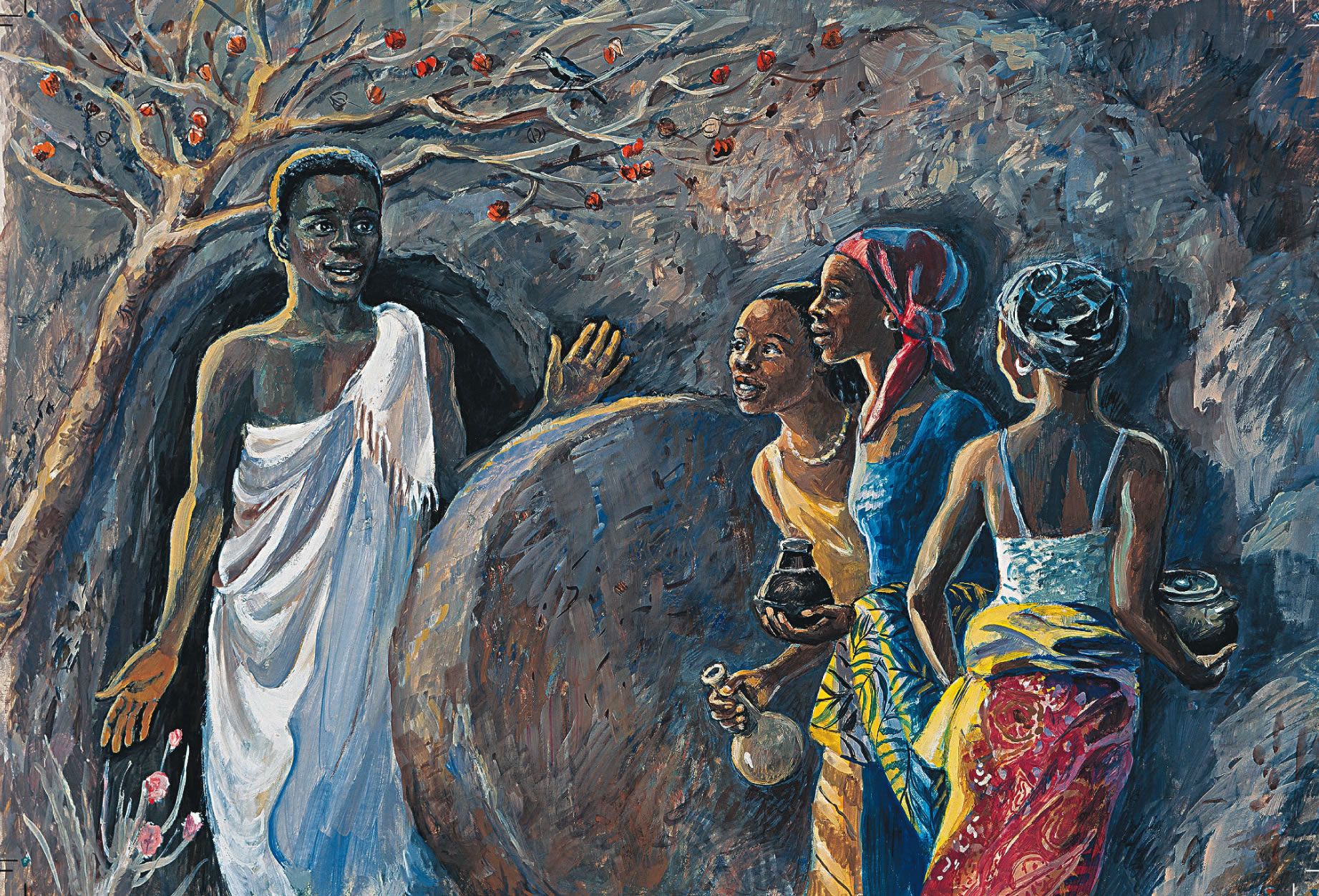
Scripture readings on Easter focus on the discovery of the empty tomb and the witness of the early followers of Jesus. Depending on the liturgical year, the Gospel may come from Matthew, Mark, Luke, or John, but each account highlights themes of astonishment, transformation, and hope. The sermon typically reflects on the meaning of the Resurrection, not only as a historical event but as a present reality that calls believers into a renewed way of living—marked by grace, courage, and love.
In many Episcopal churches, Easter is also a principal occasion for Holy Baptism. The congregation joins in renewing the Baptismal Covenant, reaffirming their commitment to Christ and to seeking and serving him in all persons. This communal reaffirmation connects individual faith with the broader life of the Church and emphasizes that Easter is both personal and communal in its significance.
The Eucharist is the central act of worship on Easter Sunday. Celebrated with particular joy and reverence, it embodies the presence of the risen Christ among the people. The Great Thanksgiving includes language rich with resurrection imagery, and the sharing of bread and wine becomes a tangible expression of unity, grace, and new life. It is both a remembrance of Christ’s sacrifice and a participation in his risen life.
 The service concludes with a festive dismissal: “Let us go forth in the name of Christ. Alleluia, alleluia.” The congregation responds with enthusiasm, carrying the message of Easter beyond the church walls. Unlike the silence of Good Friday, this ending is filled with sound, movement, and purpose.
Easter Sunday in an Episcopal church is not an isolated celebration but the beginning of a season—the Great Fifty Days of Easter, leading to Pentecost. This extended period of joy reinforces that resurrection is not confined to a single day but is an ongoing reality.
Ultimately, Easter proclaims a message of hope that resonates deeply: that life overcomes death, love triumphs over fear, and God’s grace is stronger than any darkness. In the Episcopal tradition, this truth is experienced through word, sacrament, and community, inviting all to share in the promise of new life.
 |
|  |
|  Share
Share

