



Maundy Thursday at 7 p.m. March 25. 2027
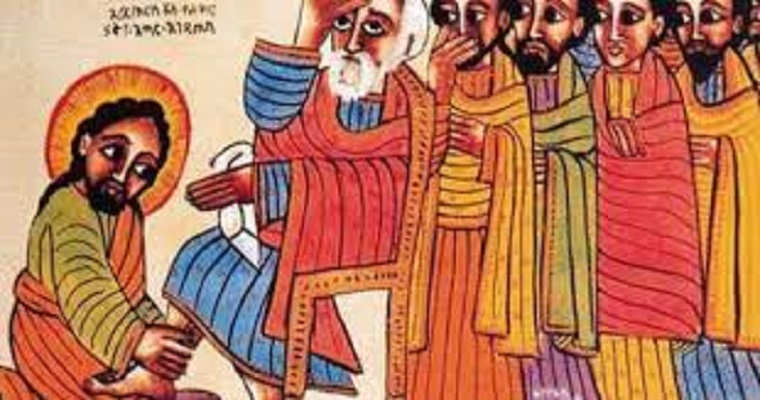
Ancient traditions (washing of hands or feet, Holy Eucharist, Stripping of the Altar). With music & Choir.
Maundy Thursday, observed during Holy Week, holds deep significance in the Episcopal Church as it commemorates the final evening Jesus shared with his disciples before his crucifixion. The name “Maundy” comes from the Latin word mandatum, meaning “commandment,” referring to Jesus’ instruction to his followers: to love one another as he has loved them. This theme of humble, self-giving love shapes the entire liturgy of the day.
The service begins in a solemn and reflective tone, marking a transition from the observances of Lent into the sacred events of the Triduum—the three holy days leading to Easter. One of the central actions in a Maundy Thursday service is the celebration of the Holy Eucharist, which recalls the Last Supper. During this meal, Jesus instituted the sacrament of Communion, offering bread and wine as his body and blood. In the Episcopal tradition, this moment is not only a remembrance but a participation in the ongoing presence of Christ, inviting worshippers into a profound spiritual union. Another powerful and often moving component of the service is the foot washing. This ritual reenacts Jesus washing the feet of his disciples, an act that demonstrated humility, service, and love. In many Episcopal congregations, clergy wash the feet of parishioners, and sometimes members wash one another’s feet. This action challenges participants to embody Christ’s commandment through acts of service and compassion in their daily lives.
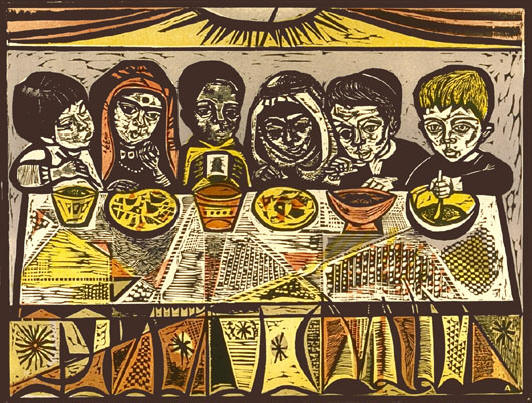
The service continues with the Holy Eucharist as we remember Christ's final meal - his Last Supper with the disciples.
As the service continues, the mood becomes increasingly somber. The altar is stripped of all its adornments—linens, candles, and decorations are removed—symbolizing the abandonment and desolation Jesus experienced as he was betrayed and arrested. This stark visual moment serves as a reminder of the suffering that lies ahead on Good Friday. Following the stripping of the altar, the consecrated bread and wine are often carried in procession to a place of reservation, representing Jesus’ time in the Garden of Gethsemane. Worshippers may be invited to stay and keep vigil, praying and reflecting in silence, echoing Jesus’ request to his disciples to “watch and pray.” Maundy Thursday concludes without a formal dismissal, leaving the service open-ended and unresolved. This reflects the unfolding story of Holy Week, encouraging the faithful to continue the journey through Good Friday and ultimately to the joy of Easter. Through its rich symbols and actions, Maundy Thursday invites Episcopalians to enter deeply into the mystery of Christ’s love, sacrifice, and call to serve others.
 |
|  |
|  Share
Share

